
How to Layer for Cold-Weather Training
Three layers, one rule: manage sweat first, warmth second, weather last.
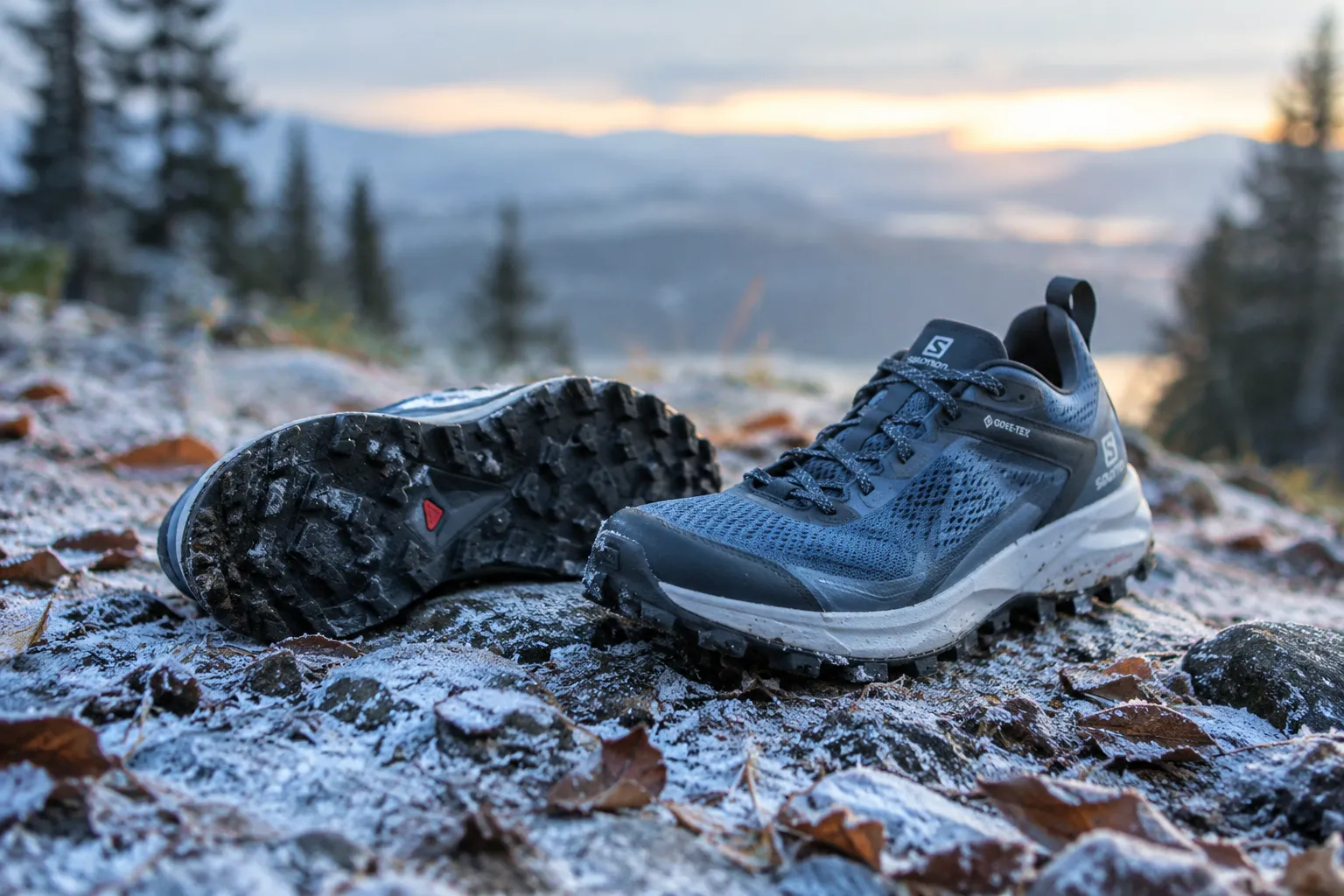
Cold air, wet leaves, and icy patches can turn a familiar route into an unpredictable one. The shoes that felt perfect in July may let you down in January. Choosing the right pair for winter running comes down to grip, protection from moisture, warmth, and fit. This guide walks you through each factor so you can train safely and comfortably when the temperature drops.
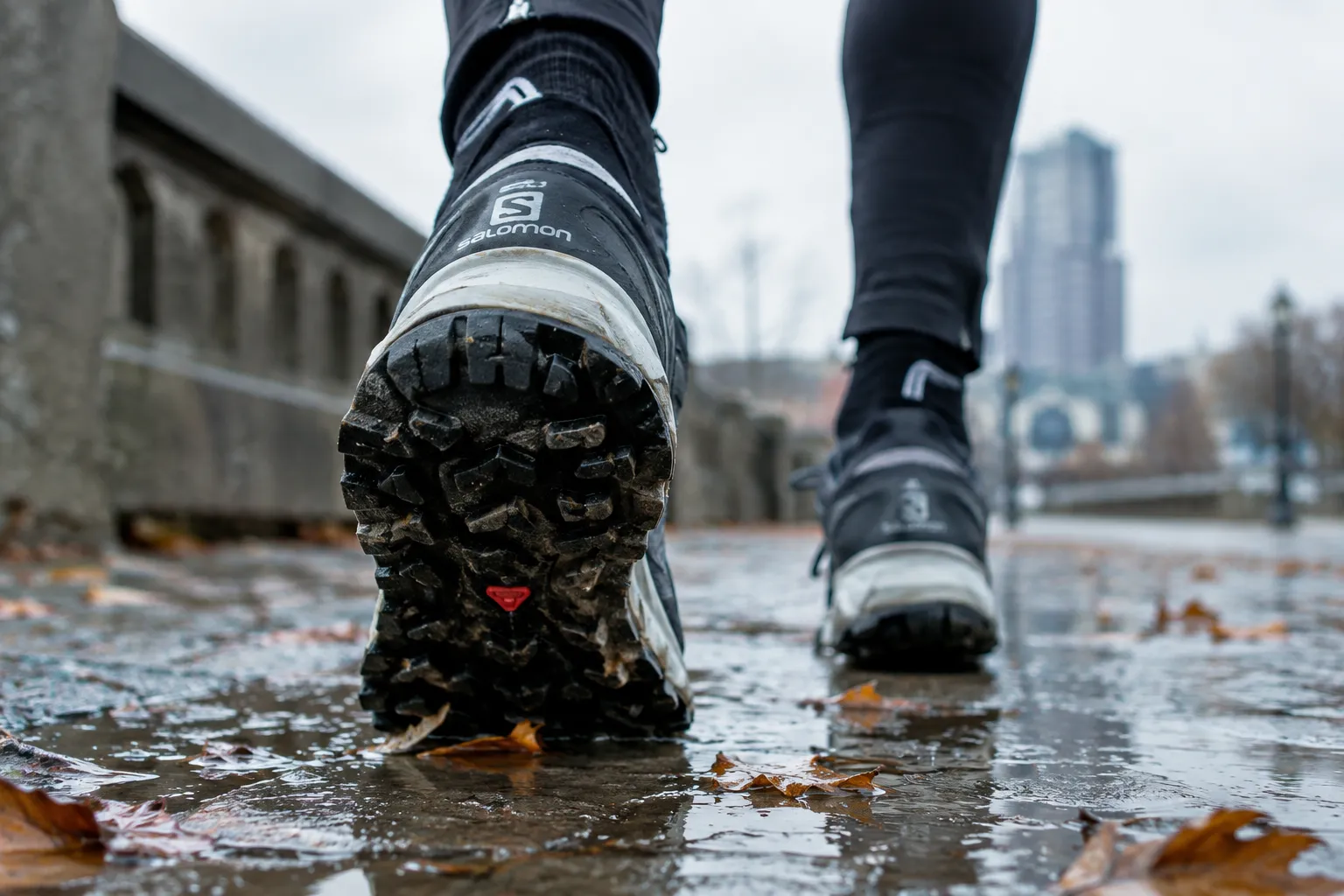
Summer shoes are built for breathability. Mesh uppers and thin linings let heat escape, which is exactly what you want when it is hot outside. In winter, the same features work against you. Cold air flows straight through the upper, wet ground soaks the midsole, and your feet lose heat faster than you expect.
Winter running shoes are designed to address three problems at once: traction on slippery surfaces, resistance to water and slush, and enough insulation to keep your toes working without making your feet sweat.
Traction matters more than any other feature in winter. A shoe that grips well on dry pavement can still slide on wet leaves, frost, or packed snow. Look for these details:
If your routes include ice, consider a shoe with removable or built-in traction aids. These are especially useful on early morning runs when frost has not yet melted from shaded paths.
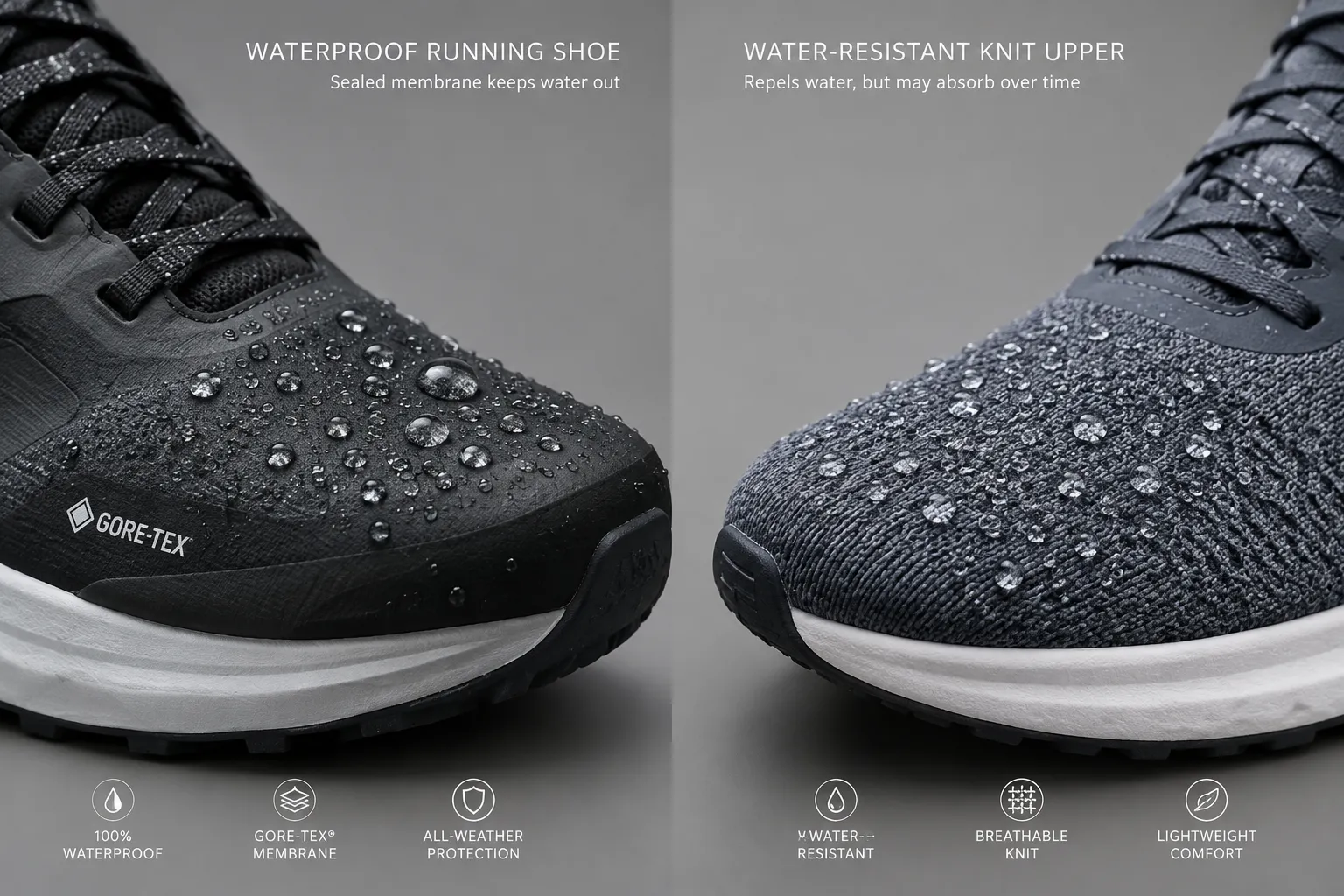
Waterproof membranes, such as GORE-TEX or similar materials, keep rain, slush, and puddles from soaking through the upper. They are a strong choice for runners who train in wet climates or on muddy trails. The trade-off is that membranes reduce breathability, so your feet may feel warmer and damper during hard efforts.
Water-resistant uppers, often made from treated knit or tightly woven synthetics, shed light moisture while still letting some heat escape. They suit runners in drier cold climates or those who mostly run on roads. Think about where you actually train before paying extra for full waterproofing.
Many runners make the mistake of choosing the warmest shoe they can find. Heavy insulation can trap sweat, and damp feet get cold quickly once you slow down. The goal is balance: enough protection to keep you comfortable at the start of a run, and enough breathability to stay dry as you warm up.
Lightweight linings, such as fleece-backed knits or brushed interiors, provide warmth without bulk. Pair them with moisture-wicking running socks made from merino or synthetic blends. Cotton socks hold water and should be avoided in winter.
Your socks affect how your shoes fit and feel. Medium-weight socks are usually the best starting point. Test your shoes with the socks you plan to wear, not the thin pair you used in summer.
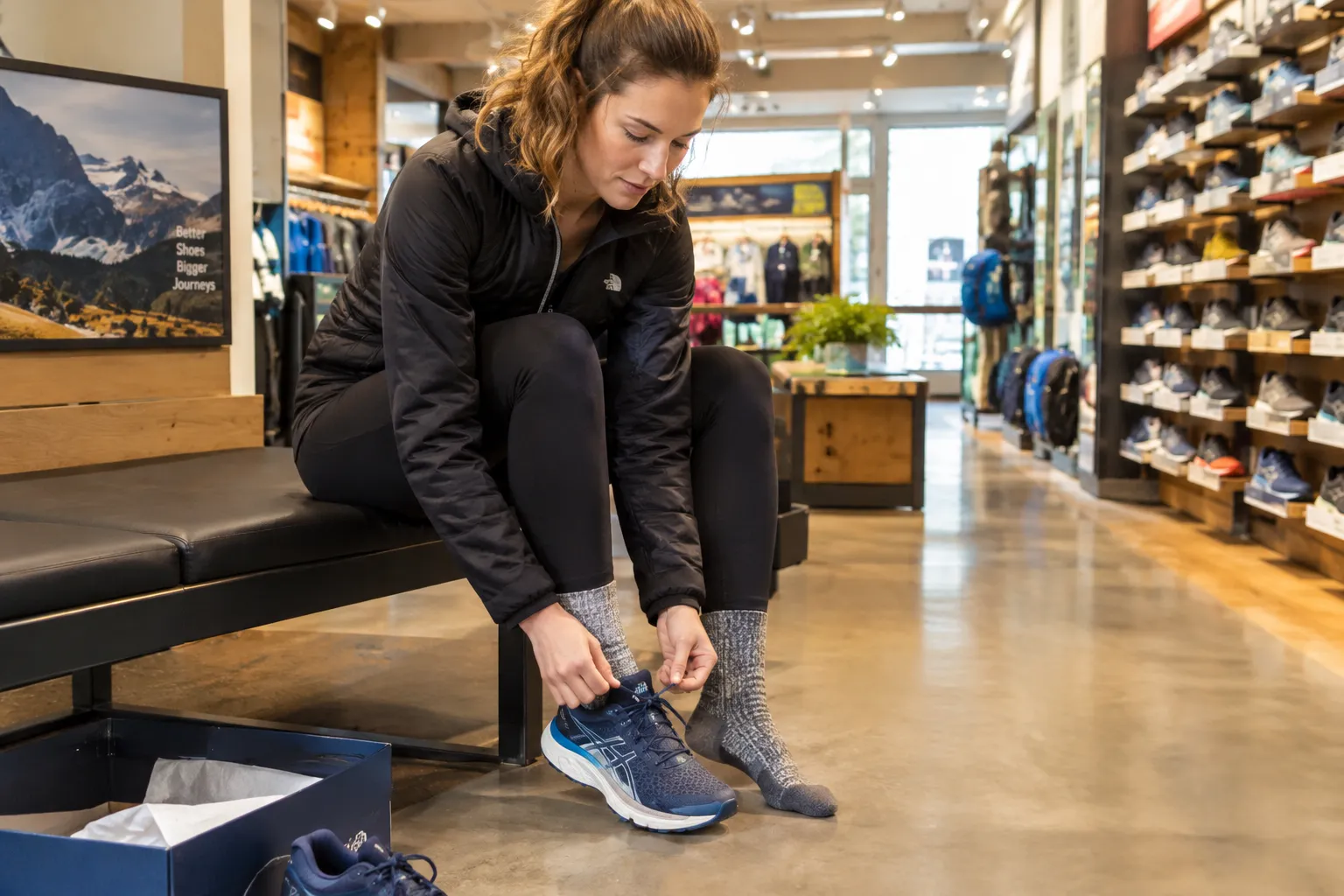
Feet can swell slightly during a run, and thicker socks take up extra room. Many runners find that a winter shoe needs about a half size of extra space compared with their summer pair. Your toes should have room to move without sliding forward on downhill sections.
When you try shoes on, check these points:
If possible, try shoes later in the day, when your feet are at their largest. This gives you a more realistic picture of how they will feel mid-run.
Use this list to compare options and narrow your choices:
The right winter running shoe gives you confidence on icy mornings, keeps your feet dry through wet afternoons, and fits well enough that you forget about it once you are moving. Focus on grip, choose the right level of water protection, avoid overheating, and allow room for winter socks. Take your time, try a few pairs, and run a short test loop before committing.
Have a favourite winter running shoe or a lesson learned from a cold-weather run? Share it in the comments and help other runners get through the season on their feet.
Three layers, one rule: manage sweat first, warmth second, weather last.
Fewer pieces, more wear: the five items that cover almost every day.