Psychedelic Fungi Education

Journey Into the Psychedelic Fungal Kingdom

Discover the science, history, and cultural significance of hallucinogenic mushrooms across civilizations and continents.
Science-Based Education

What Are Hallucinogenic Mushrooms?

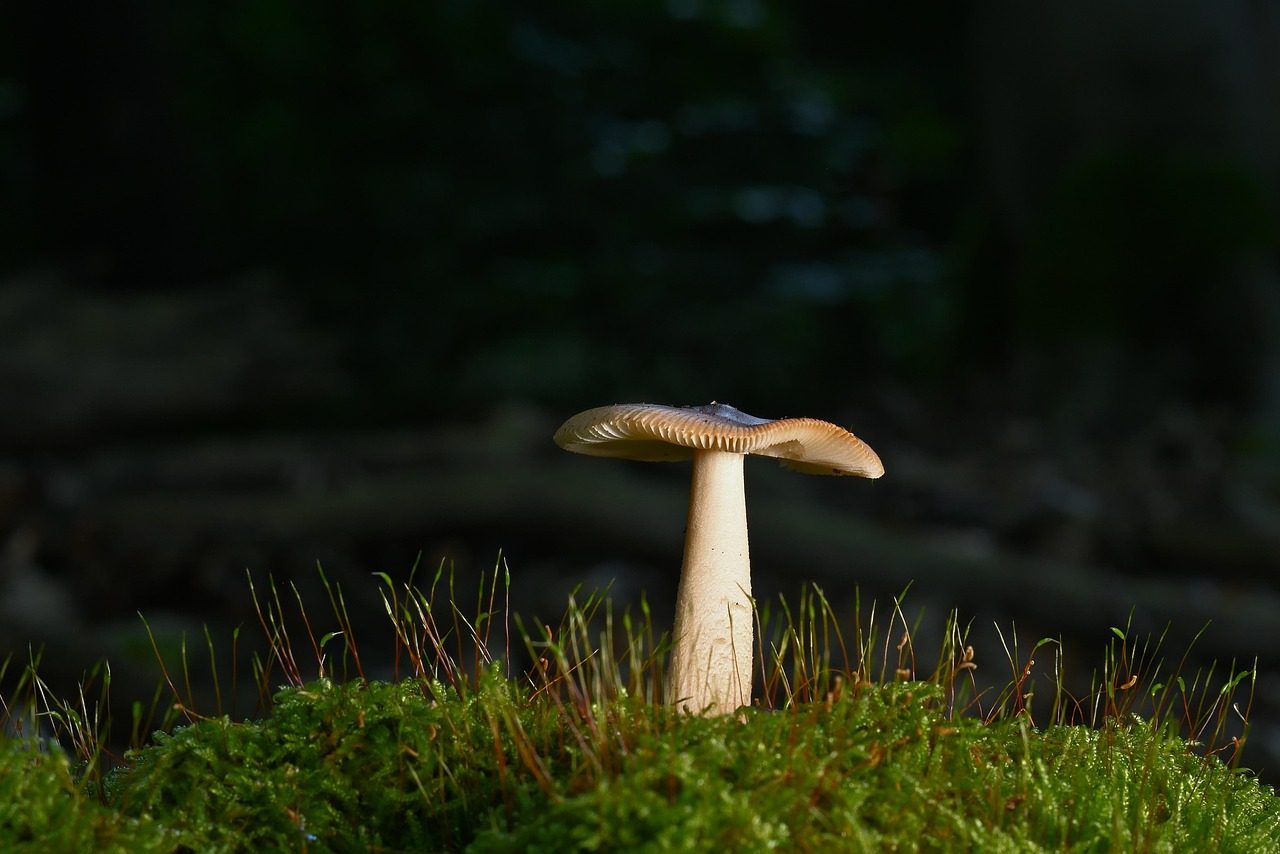
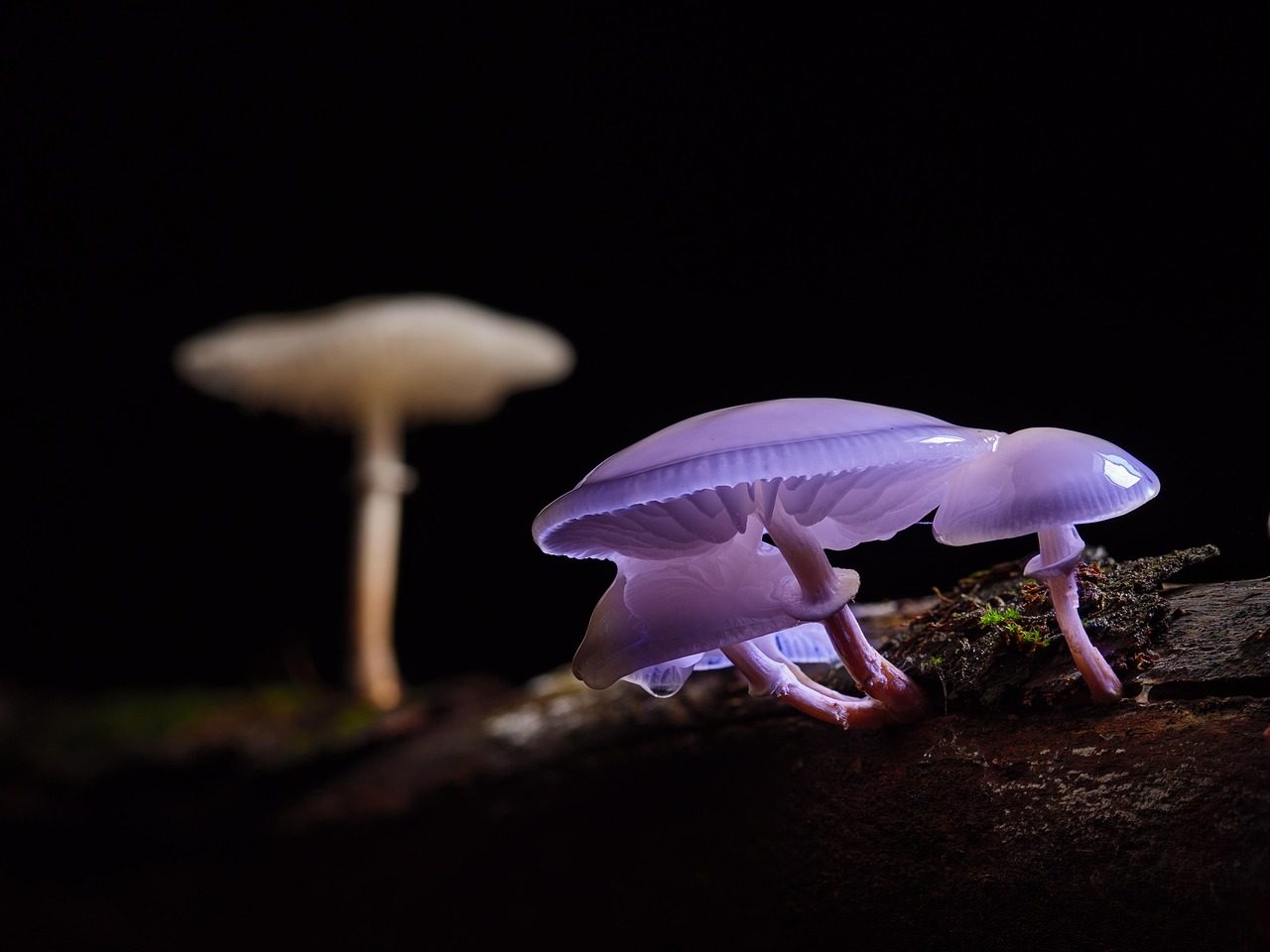
Hallucinogenic mushrooms — commonly called psychedelic or ‘magic’ mushrooms — are fungi that contain naturally occurring psychoactive compounds, most notably psilocybin and psilocin. When ingested, psilocybin is converted to psilocin in the body, which binds to serotonin receptors in the brain, producing profound alterations in perception, cognition, and consciousness.

These fungi grow on every inhabited continent, thriving in tropical and subtropical grasslands, forests, and decaying organic matter. With approximately 200 known psilocybin-containing species, they represent one of nature’s most chemically remarkable kingdoms.

Archaeological evidence and ancient artwork suggest humans have engaged with psychedelic mushrooms for over 10,000 years — from Mesoamerican ceremonial use to Siberian shamanic traditions. Today, they sit at the frontier of psychiatric research, with clinical studies exploring their potential for treating depression, PTSD, and addiction.

01
🍄

~200 Species

Known psilocybin-containing fungal species identified worldwide

02
🧠

Serotonin Binding

Psilocin acts on 5-HT2A receptors, reshaping neural connectivity

03
🌍

Global Distribution

Found on every inhabited continent in diverse ecosystems

04
📜

Ancient Roots

Documented ceremonial use spanning more than 10,000 years

Fungal Taxonomy

Key Species of Psychedelic Fungi

From tropical fields to temperate forests — meet the most significant hallucinogenic mushroom species known to science.

By the Numbers

Psychedelic Mushrooms in Science & Culture

Key figures that reveal the scope, history, and growing scientific momentum behind psilocybin research.

~200
Known Psilocybin-Containing Species
10,000+
Years of Documented Human Use
60+
Clinical Studies in the Past Decade
100+
Countries with Historical Use
80%
Report Lasting Positive Effects (Johns Hopkins)
Common Questions

Frequently Asked Questions

Scientific and educational answers to the most common questions about hallucinogenic mushrooms.

Psilocybin is a naturally occurring tryptamine alkaloid found in over 200 species of fungi. After ingestion, the body converts it to psilocin through dephosphorylation. Psilocin primarily acts as a partial agonist at serotonin 5-HT2A receptors, particularly in the prefrontal cortex. This interaction disrupts default mode network activity, increases neural plasticity, and produces the characteristic alterations in perception, cognition, and sense of self associated with the psychedelic experience.
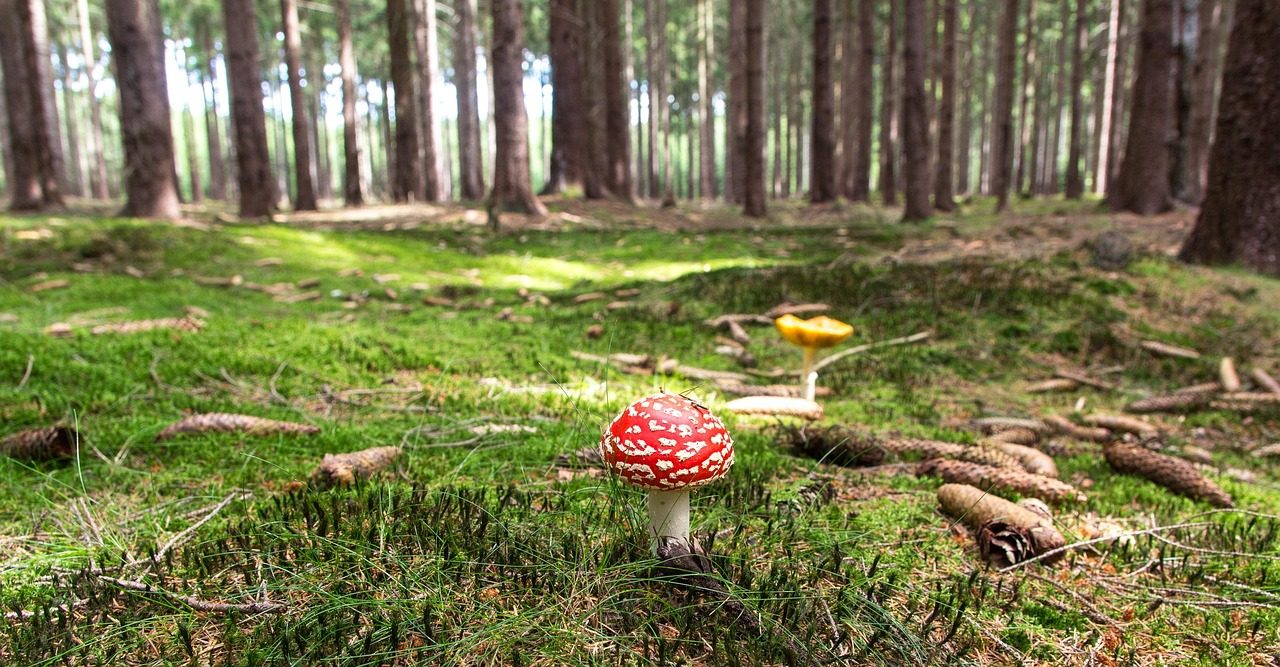
No — hallucinogenic mushrooms vary significantly in their active compounds, potency, and effects. The majority of psychedelic species contain psilocybin and psilocin as their primary psychoactive constituents. However, species like Amanita muscaria operate through an entirely different mechanism, using muscimol and ibotenic acid, which interact with GABA receptors rather than serotonin receptors. This produces a chemically and experientially distinct effect profile.
Effects vary considerably based on species, dose, individual neurochemistry, and setting. Common experiences include visual phenomena (geometric patterns, enhanced color perception, distorted shapes), a profoundly altered sense of time, heightened emotional sensitivity, deep introspection, and a dissolution of ordinary ego boundaries. At lower doses, effects may be subtle and mood-enhancing. At higher doses, experiences can be intensely transformative, occasionally challenging, and deeply meaningful. Set and setting — one's mindset and physical environment — are widely recognized as critical determinants of the experience.
Yes — psilocybin is currently one of the most actively studied compounds in psychiatric research. Major clinical trials at Johns Hopkins University, New York University, and Imperial College London have demonstrated significant therapeutic potential for treatment-resistant depression, end-of-life anxiety in cancer patients, alcohol use disorder, and tobacco addiction. In 2018, the FDA granted psilocybin 'Breakthrough Therapy' designation for major depressive disorder, accelerating the research pipeline.
Legality varies dramatically by jurisdiction. In the United States, psilocybin is classified as a Schedule I controlled substance under federal law. However, several cities — including Denver, Oakland, and Santa Cruz — have decriminalized possession, and Oregon became the first state to legalize regulated therapeutic psilocybin services in 2020. In the Netherlands, fresh truffles containing psilocybin are legally sold. In many other countries, status ranges from fully illegal to decriminalized or unscheduled. Always consult and comply with the laws of your specific jurisdiction.
While psilocybin mushrooms and LSD (lysergic acid diethylamide) share overlapping mechanisms — both primarily acting on serotonin receptor pathways — they differ in origin, duration, and experiential character. Psilocybin is a natural compound derived from fungi; LSD is a semi-synthetic compound derived from ergot. Psilocybin experiences typically last 4–6 hours, while LSD experiences can extend 8–12 hours. Many users and researchers describe psilocybin experiences as more introspective, emotionally warm, and nature-connected compared to LSD.
Like all fungi, psilocybin-containing species play vital ecological roles as decomposers, breaking down organic matter and returning nutrients to the soil. Many form symbiotic mycorrhizal relationships with plant root systems, facilitating nutrient exchange across entire forest ecosystems. The evolutionary origin of psilocybin itself remains debated — leading hypotheses suggest it may have developed as a defense mechanism against insects, or through horizontal gene transfer between unrelated fungal lineages in similar ecological niches.
Visual Journey

Psychedelic Fungi in Nature

A stunning visual exploration of hallucinogenic mushroom species in their natural environments — from tropical fields to temperate forest floors.
Scientific Perspective
Psilocybin represents one of the most promising frontiers in modern neuroscience and psychiatric medicine.
Johns Hopkins Center for Psychedelic and Consciousness Research

Deepen Your Understanding of Psychedelic Fungi

Science-based, culturally informed, and endlessly fascinating — the world of hallucinogenic mushrooms awaits your exploration.

Chat with us
AI Assistant
Powered by Genwave AI